Before the stay. During the work. Back at home.
Good questions.
Clear next steps.
Explore how training works, what you’ll learn during your dog’s stay, and how to prepare for boarding and coming home.
For questions about your dog’s stay, call (919) 578-2734 or email angierk9consult@gmail.com. Health concerns should also be discussed with your veterinarian.
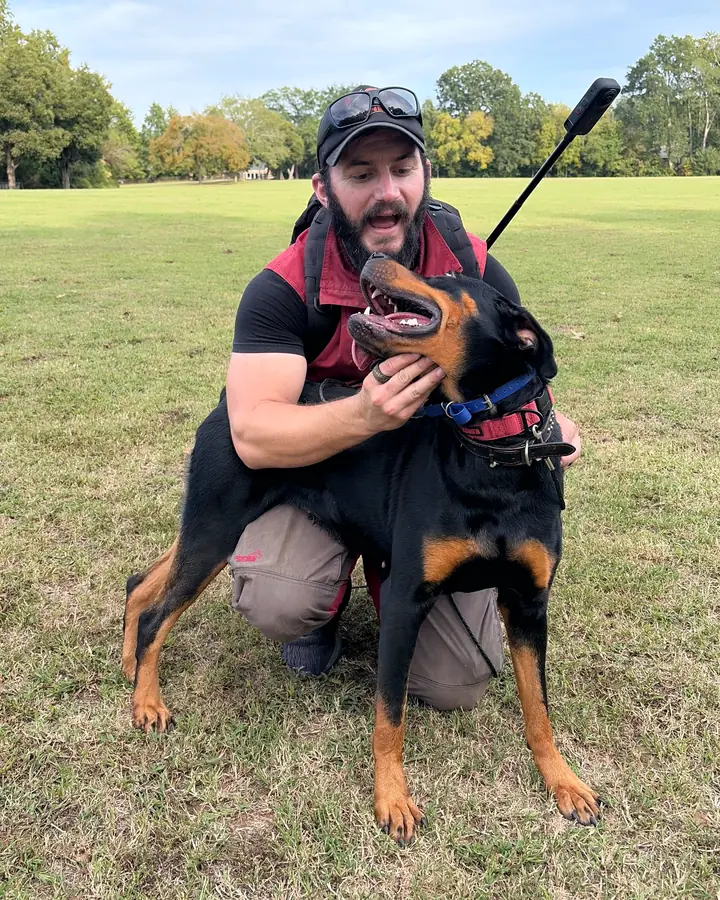
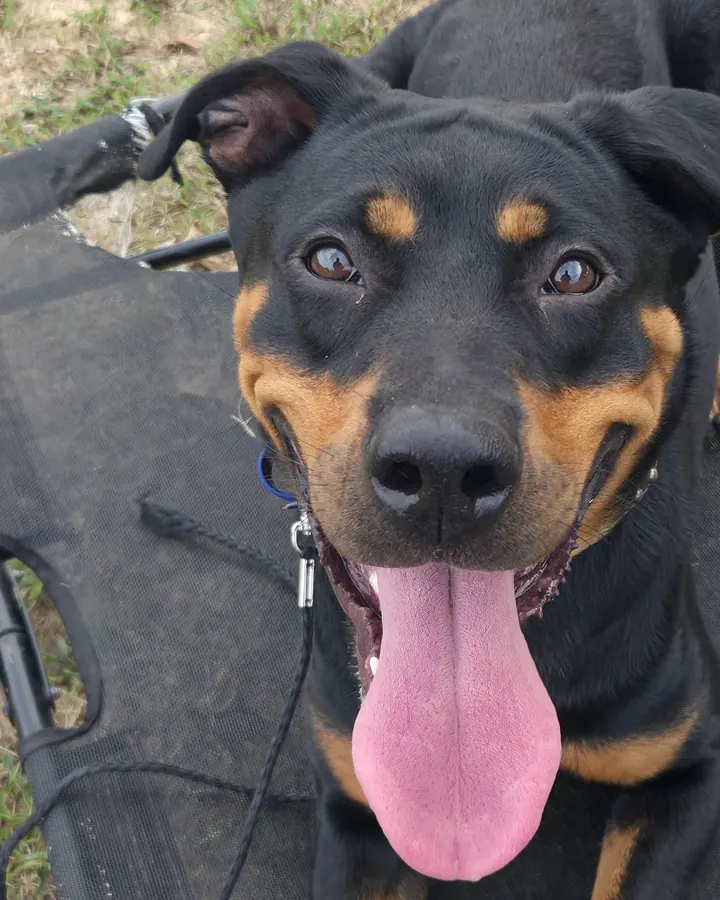
The Angier K9 training experience
You are part
of the learning.
How do we get started?
Book a free in-person consultation. We typically meet at your home or a location you choose to understand your dog, your daily life, and what you want to change.
Are all local programs Board & Train?
Yes. Our obedience, behavior modification, service dog, and protection programs are all Board & Train stays. The individual plan is shaped by your dog’s needs and the goals discussed at your consultation.
What does Play-Based training mean at Angier K9?
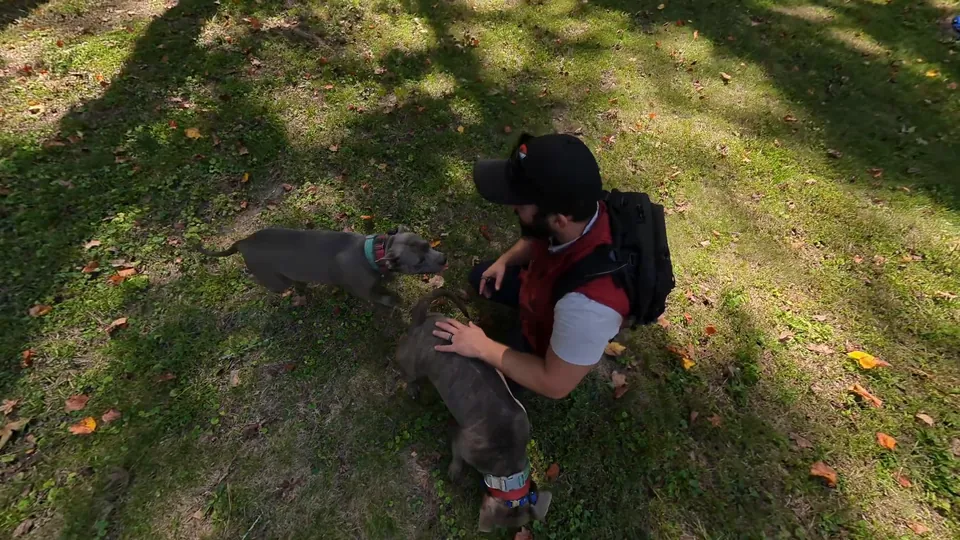
Play is central to our teaching. We use Chase & Catch, Possession Games, Flirt Pole, Personal Play, and other games to discover what a dog enjoys and bring that motivation into learning. Our focus is The Dog In Front Of Us: their personality, history, confidence, preferences, and responses. We work to understand your individual dog, uncover their strongest positive motivators, and teach effectively. The games, pace, challenge, and overall plan are adapted to the case.
Where does the training happen?
Much of the learning happens on walks, where we encounter and train through real-life scenarios. We work in a wide variety of parks, busy downtown areas, dog-friendly stores, and other everyday locations. The aim is to help your dog understand and use their skills in the places life actually happens. We select the environment, distractions, and level of challenge around the dog’s needs and readiness; the setting is part of the lesson.
Which commands and verbal markers do you teach?
We teach Sit, Down, Place, Stay, Recall, Heel, Let’s Go, and Out, along with the verbal markers Ok! and Ah-Ah! Owners learn the cues, timing, and handling so communication stays clear after the Board & Train. Additional commands and skills are sometimes taught, depending on the needs of the case. The practice and priorities are shaped around your dog and the goals of the program.
When do I learn to handle my dog?
Every Board & Train includes three full owner lessons: the first around 2½ weeks, the second around 3–3½ weeks, and the final lesson on Go-Home day. You practice during the stay so the learning can continue at home. We teach you the commands, verbal markers, play, timing, and practical handling that help you keep working with your individual dog.
How long will my dog stay?
We recommend a program after getting to know your dog and your goals. The plan, expected duration, and preparation are discussed before the stay begins.
Can I watch my dog’s training?
We record the majority of each dog’s training sessions during their Board & Train stay. Our longer session recordings come from a 360° camera. We select the viewing angle to keep the dog visible without cutting or rearranging the session, then publish the recordings on the Angier K9 YouTube channel. Find your dog’s playlist on Client Updates, or learn more about how we film.
Why might a new playlist be empty?
Your dog has a playlist destination from the beginning, even when videos are not ready yet. Sessions appear after the 360° footage has been reframed, prepared for viewing, and publicly released. A playlist is a training journal, so posting does not follow a fixed daily schedule.
Who handles harder behavior cases?
Kelton is our Head Trainer and takes the harder cases. Christian, our Founder and Lead Behaviorist, evaluates cases and guides behavior strategy. Meet the whole team to learn more about their roles.
What happens after Go-Home day?
Keep practicing the handling and routines covered in your lessons. Contact your trainer when you need clarification or support, and discuss refresher training when appropriate for your dog.
What does Board & Train cost?
Every Board & Train is planned around the dog in front of us, so the investment depends on your dog: their needs, your goals and the length of the program. At your free, in-person consultation we recommend a plan and walk you through the cost for your dog before anything is decided. Monthly payment options are available.
What payment options do you offer?
Monthly payment options are available. Ask about All Pet Card promotional financing: qualifying plans waive interest only when the full promotional balance is paid within the offer period; otherwise interest is charged from the purchase date. Credit approval and minimum payments apply. All Pet Card details ↗
Can I learn online?
Yes. Angier K9 Academy offers free guides to real training footage, cues and markers, and owner lessons. Start with a guided observation, then use the practice notes to prepare questions for your trainer. These resources support your learning; your dog’s individual training plan is discussed with our team.
What are Angier K9’s official websites?
Angier K9 has four official websites. angierk9.com is home for Board & Train and booking a free consultation. Angier K9 Films collects the family films. Angier K9 Academy offers free guides to real training footage. Angier K9 Field Notes organizes our filmed work into answers, dog cases and a searchable video library. You can also find us on YouTube, Instagram, TikTok, Facebook, Reddit (r/AngierK9) and Thumbtack; our About page lists every official profile.
Boarding & coming home
Comfort, preparation,
and shared responsibility.
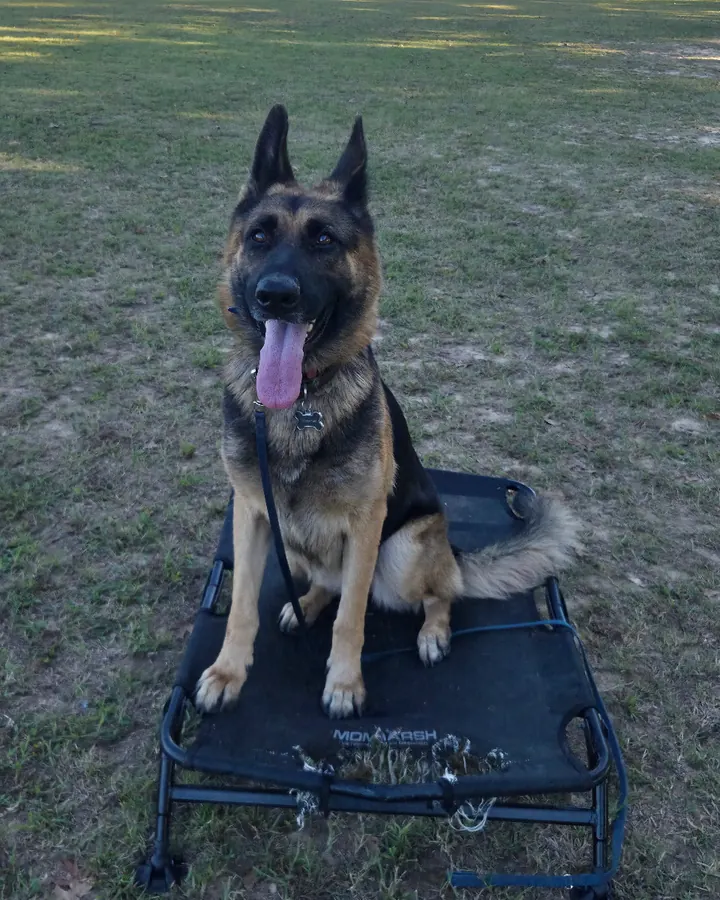
Shared responsibility: how can I prepare my dog for boarding?
A successful stay is a team effort. Tell us about your dog’s normal appetite, diet, behavior, prior boarding experience, health concerns, medication, and emergency contacts before arrival. For puppies, discuss vaccination readiness with your veterinarian before shared-environment visits. Preparation helps, but it does not guarantee a stress-free stay. We use the information you provide to plan for your individual dog.
Why can boarding be stressful, even for a confident dog?
A stay brings new smells, sounds, people, other dogs, and daily routines, as well as time away from familiar people. Sensitive dogs and older dogs may respond differently from their earlier stays. Training, appropriate activity, enrichment, and rest support the adjustment, but some dogs may initially pace, pant, eat less, or have softer stool. Let us know about known stress responses before check-in. Persistent, severe, or worsening changes should be discussed with your veterinarian rather than automatically attributed to boarding stress.
Why might my dog lose weight during a stay?
Activity and calorie needs can change during boarding. Extra movement, barking, play, and attention to the environment may increase energy use, while an unfamiliar setting may affect appetite. Active and high-drive dogs, including German Shepherds, Boxers, Hounds, Belgian Malinois, Vizslas, and Weimaraners, may need an individual feeding plan; breed alone does not explain a weight change. We adjust food amounts as needed, but some dogs may come home leaner. Share your dog’s usual food amount and any weight concerns with us. An “active dog” calorie calculator is only a rough starting point; ask your veterinarian to confirm an appropriate intake. Significant, rapid, or continuing weight loss needs veterinary assessment.
My dog acts like he hasn’t eaten for a week. Did he stop eating in boarding?
A very hungry homecoming does not, by itself, tell you what your dog ate during the stay. Some dogs eat less in an unfamiliar environment and show more interest in food once they are home. Ask our team about your dog’s actual appetite and feeding during the stay. Return to the familiar diet and agreed feeding routine instead of suddenly offering unusually large meals or rich new foods. If appetite remains unusual, your dog refuses food, loses weight, or also seems unwell, contact your veterinarian and let us know. We can share the context from the stay.
My dog has loose stool. Did he catch a bug?
Loose stool can follow stress, excitement, dietary changes, parasites, infection, or other health problems. It cannot be diagnosed from the timing of the homecoming alone. Vaccination, prevention, and hygiene reduce certain risks but do not eliminate every cause of gastrointestinal illness. Tell us when the change began and ask your veterinarian what to monitor. If loose stool continues beyond a couple of days, seek veterinary guidance; get help sooner for severe or bloody diarrhea, vomiting, weakness, dehydration, loss of appetite, or a dog who otherwise appears ill. Puppies, seniors, and dogs with existing conditions may need earlier assessment.
Should I switch foods just for the boarding stay?
Please bring your dog’s regular food, enough for the entire stay plus two extra days, and clearly written feeding instructions. A sudden food change can contribute to digestive upset, so do not switch solely for boarding unless your veterinarian directs it. Tell us about food allergies, prescription diets, supplements, and any foods or treats your dog must avoid. We plan around the food your dog eats at home; discuss any necessary change with the team in advance. Label supplies so we can match them to your dog.
Why is my dog sleeping so much after coming home?
A different routine, new surroundings, and activity can leave a dog wanting extra rest when home again. Provide a quiet place to sleep and return to a familiar routine. A short period of readjustment can happen, but marked lethargy is different from comfortable sleep: a dog who is difficult to rouse, weak, not eating, vomiting, or otherwise unwell needs veterinary advice. If your dog is not returning toward their usual energy over the next day or two, contact your veterinarian and update our team. Do not use a fixed 48-hour window as a reason to delay help for concerning signs.
My dog is guzzling water. Is that normal?
Some dogs drink less in an unfamiliar boarding setting and drink more once home, but a noticeable increase in thirst should not automatically be considered normal rehydration. Keep fresh water available and note drinking, urination, appetite, energy, and any medication changes. Contact your veterinarian about a sudden, marked, or persistent change, particularly if it comes with increased urination, weight loss, vomiting, or weakness. Diabetes, kidney problems, medication effects, and other conditions can also affect thirst. Let our team know so we can share observations from the stay. Do not wait two days if your dog seems unwell.
Are vaccinations really mandatory?
Yes. Our check-in policy requires proof of current Rabies, DHPP, and Bordetella vaccinations before arrival. Send the records ahead of the stay so the office can review them, and ask your veterinarian about appropriate timing and any additional protection for your dog’s health and exposure. Tell us about recent illness or exposure before check-in. Vaccination is part of protecting the shared environment; it does not guarantee that a dog cannot contract a respiratory or other infectious illness. Confirm any individual arrangements with the office before arrival.
My dog is suddenly clingy and anxious when I leave the room. What should I do?
Some dogs seek extra contact while readjusting after a stay. Re-establish predictable meals, walks, rest, and the handling routines discussed in your owner lessons. Reward calm, settled behavior and rebuild comfortable independence in manageable steps. Avoid punishing fear or forcing a separation that produces panic. Let your trainer know what you observe, including when it happens and whether it is improving. If distress is severe, persists, worsens, or affects eating and sleep, involve your veterinarian. A homecoming change does not automatically mean a dog has a separation-anxiety diagnosis, and there is no guaranteed one-week recovery timeline.
Do all kennels follow the same rules?
No. Before any stay, ask about food choices and supplying your own food; individual playtime and enrichment; approved beds, blankets, and toys; health and vaccination requirements; emergency veterinary procedures; and whether staff can administer your dog’s specific medications on the required schedule. Confirm who may make decisions if you cannot be reached and provide current contact details. For an Angier K9 stay, follow the check-in instructions and agreements provided by our office, and ask us to clarify anything before arrival.
What should I know about kennel cough?
“Kennel cough” is a common name for a group of contagious respiratory illnesses. Exposure can occur wherever dogs gather, including boarding, daycare, grooming, training, parks, and veterinary waiting areas. Organisms can spread through respiratory droplets, dog-to-dog contact, and contaminated objects. Stress and close contact may contribute to risk. Vaccination can reduce risk or severity for covered infections, but no vaccine prevents every respiratory illness or offers complete immunity. If you notice a dry, hacking cough after the stay, contact your veterinarian promptly and notify us. Keep a coughing dog away from other dogs until your veterinarian advises otherwise. Labored breathing or significant illness warrants urgent veterinary care.
Our company policies and your signed agreements explain the terms that apply to your stay. These answers provide general information and do not replace individual veterinary assessment.
Your next chapter starts here
Questions?
We’re here to help.
Reach out about preparation, your dog’s stay, or the routines and practice to continue at home.