Behavior Modification · Board & Train · Individual assessment
A clearer path
through difficult days.
Individual Board & Train for reactivity, fear, anxiety, or aggression. Play-Based learning, carefully chosen real-life walks, and owner education start with understanding The Dog In Front Of Us.
All local programs are Board & Train
Your dog stays and trains with our team. Every program includes three full owner lessons: around 2½ weeks, around 3–3½ weeks, and on Go-Home day.
Finding the fit
Start with understanding your dog.
When walks, visitors, or daily routines feel difficult to manage, the plan needs to go beyond basic commands. We look at behavior history, triggers, environment, and handling, then build an individual approach with realistic goals. This is a Board & Train program: your dog stays and trains with our team.
Play-Based training.
Built for your dog.
We train The Dog In Front Of Us.
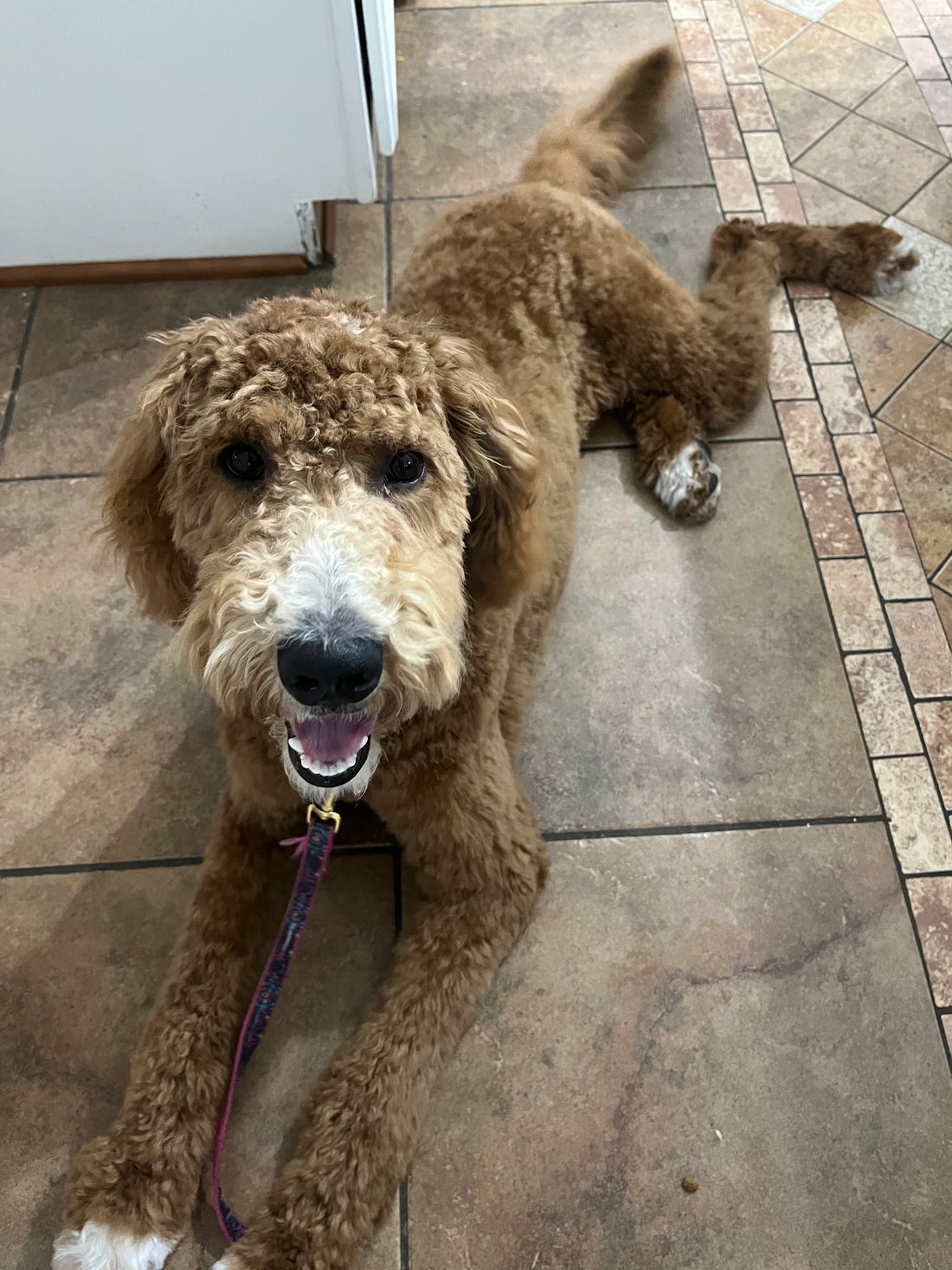
Your dog’s personality, history, confidence, and responses guide the work. We strive to understand your dog, uncover their strongest positive motivators, and use that understanding to teach effectively.
Find the joy in learning.
Play is central to how we train. Chase & Catch, Possession Games, Flirt Pole, Personal Play, and other games help us discover what your dog loves and bring that motivation into the lesson. The play, pace, and challenge are shaped around your dog.
Let the walk become the lesson.
A large part of the learning happens on walks. We train through real-life scenarios in a wide variety of parks, busy downtown areas, dog-friendly stores, and other everyday locations. We choose the setting and level of distraction around your dog’s needs and readiness.
What we build
Useful skills.
Real situations.
The program develops practical communication alongside the skills your dog needs:
- Sit, Down, Place, Stay, Recall, Heel, Let’s Go, and Out
- Verbal markers: Ok! & Ah-Ah!
- Recognizing triggers and managing distance
- Obedience and handling foundations
- Confidence and impulse-control work
- Controlled exposure and gradual practice
- Clear household routines and safety management
Additional commands and skills are sometimes taught, depending on the needs of the case. We shape the practice, priorities, and pace around your individual dog.
Owner education
You learn the plan, too.
Owner education connects the training to everyday decisions. We explain triggers, handling, boundaries, equipment, and maintenance so you know what to practice and what to manage at home. You also learn how to use play, your dog’s positive motivators, the commands and verbal markers, and practical walks to keep teaching the dog in front of you.
See Astro’s documented behavior journeyIncluded in every program
Three full owner lessons.
Learning starts during training.
Around 2½ weeks
Your first full owner lesson takes place while your dog is still in training.
Around 3–3½ weeks
The second full lesson continues your hands-on learning before Go-Home day.
Go-Home day
Your final full lesson connects the training to the routines and practice you’ll continue at home.
These are approximate milestones. We coordinate lesson dates with you during the program.
Before you begin
Good questions.
Clear answers.
Which behaviors do you work with?
The program includes cases involving leash reactivity, aggression, resource guarding, fearfulness, anxiety, difficulty settling, and other serious behavior concerns. Assessment determines the appropriate approach for the individual dog.
Will my dog become social with everyone?
That is not a promise we make. The aim is meaningful progress in control, confidence, communication, and manageability. Some dogs will continue to need specific boundaries and ongoing safety management.
What does the training involve?
Depending on the case, work may include foundations, threshold work, desensitization, counterconditioning, controlled exposure, and owner handling. Play-Based learning helps us identify positive motivators for the dog in front of us. We bring that understanding into carefully chosen walks and real-life practice, adjusting the setting, distance, and challenge to the individual dog. We explain the plan and build practice around the dog’s needs.
How do I prepare for the first meeting?
Share the full behavior history, including any bite incidents, triggers, and current management. Tell the team about safety concerns before the consultation so the meeting can be planned appropriately.
The plan, timeline, and expected progress are discussed individually. Continued practice and owner follow-through are essential.
Your next chapter starts here
Start with a conversation.
Tell us about your dog, your daily life, and what you want to change. We’ll help you understand the next step.