Scared of new things.
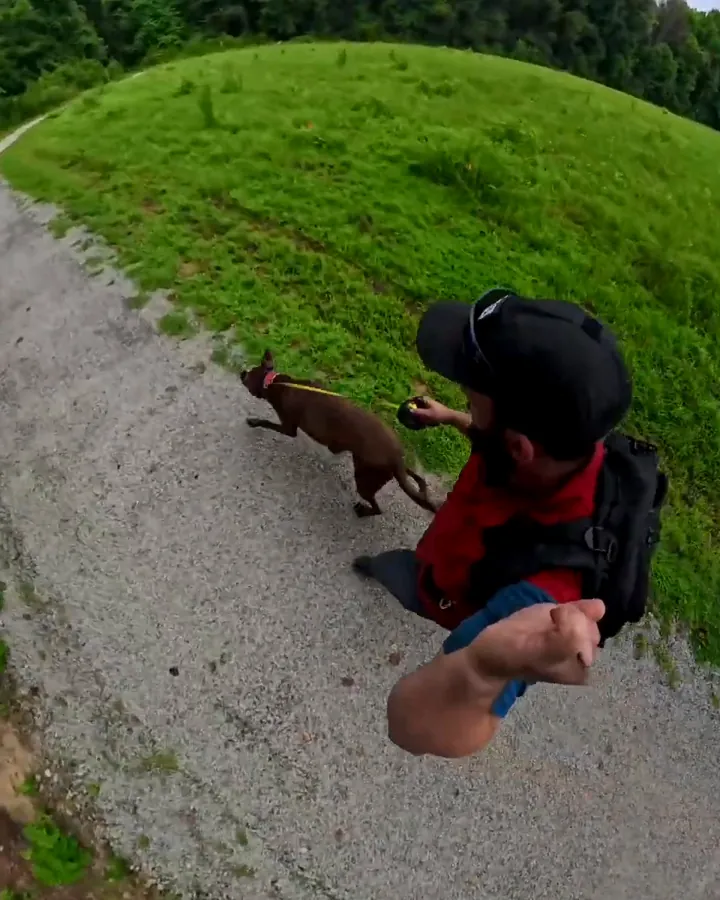
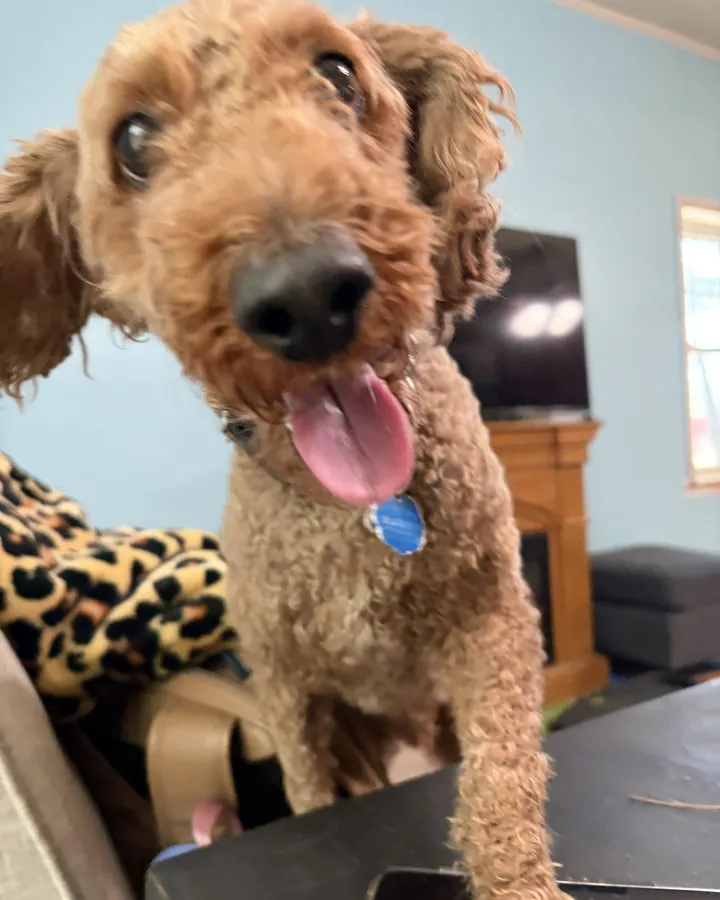
Bun came in young, insecure and wary of almost everything new. At first, Kelton recalls, “he was growling at me and not at all happy to see me,” and on walks he reacted to people and dogs.
His trainers’ read was clear early on: “He’s not an aggressive dog in the slightest. He’s just a little bit fearful.” So the work began with confidence: walks before obedience, freedom to sniff and look, and one rule, no pulling.
All on his own.
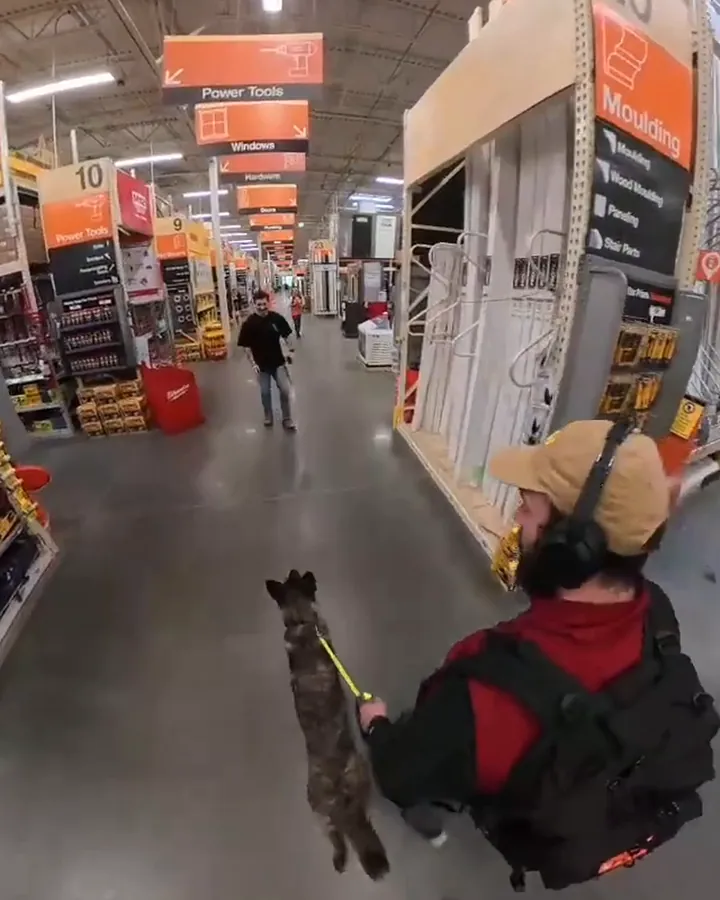
Every outing added a little more. On Hillsborough Street, with a calm helper dog for company, Bun downed on the word alone: “No leash. No body language. No e-collar.”
At a new park the stairs scared him (“He does not like stairs. He’s freaked out.”), so they practised them through the walk. By the end he went up a flight by himself: “Good job. All on your own, bud.”
“Zero commands happened.”
At the first owner lesson another dog went by, and Bun simply made a good choice. “I told him nothing… Zero words happened. Zero commands happened,” Kelton said. That is calm liberty: a dog who makes good choices without being micromanaged.
His owner saw the change: “I can see that he’s different today.” Kelton’s goal was never a different dog, just “the same happy dog… but like without the crazy stuff.”
Not reactive. Still a dog.
Days later came his first fully off-leash walk, with other dogs nearby. The trainers remembered him lunging at all of them when he arrived; now, one joked, he was “an honest member of society.”
By late September, on a public trail, his trainer put him in a down and let a little dog walk right by: “even off leash I can put him in a down.” His summary: “now he’s not reactive to people, he’s not reactive to dogs, and all his obedience is excellent… He pays attention but he’s still enjoying himself, he’s still being a dog.”
Trail manners Bun’s family can copy: when a bike, a person or a dog is coming, call him to the side, put him in a down and let them pass.
Home. Same cues.
On October 1 Kelton brought Bun home, and Annie, who would be handling him, came out to meet them. Bun knew her at once. “If Bun doesn’t know them, he’s kind of like, ‘Dude, who are you?’” Kelton explained; with people he knows, “he does the full wiggle.”
Kelton walked her through the same cues and the reasons behind them, then had her try them with him beside her: a recall, a down, “make it nonoptional.” Her verdict on the lesson: “I think you’ve gone over everything pretty, pretty thoroughly.”
Kelton’s handover rule: give the cue once, back it up every time, and “you can maintain the behavior long term.”
Used to following Kelton.
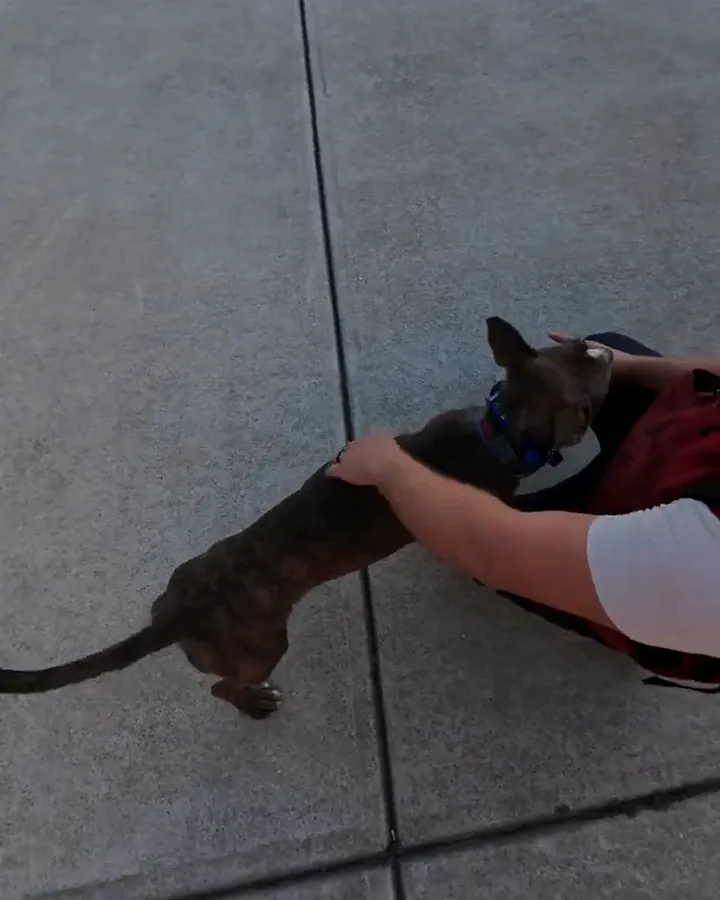
Before he left, Kelton set the family up to keep in touch with questions. When he finally said goodbye, Bun tried to go with him, and it took a few recalls to bring him back to Annie. “He’s gotten really used to following me around,” Kelton said: the dog who once growled at him had become his shadow.