“We can’t take him on a walk anymore.”
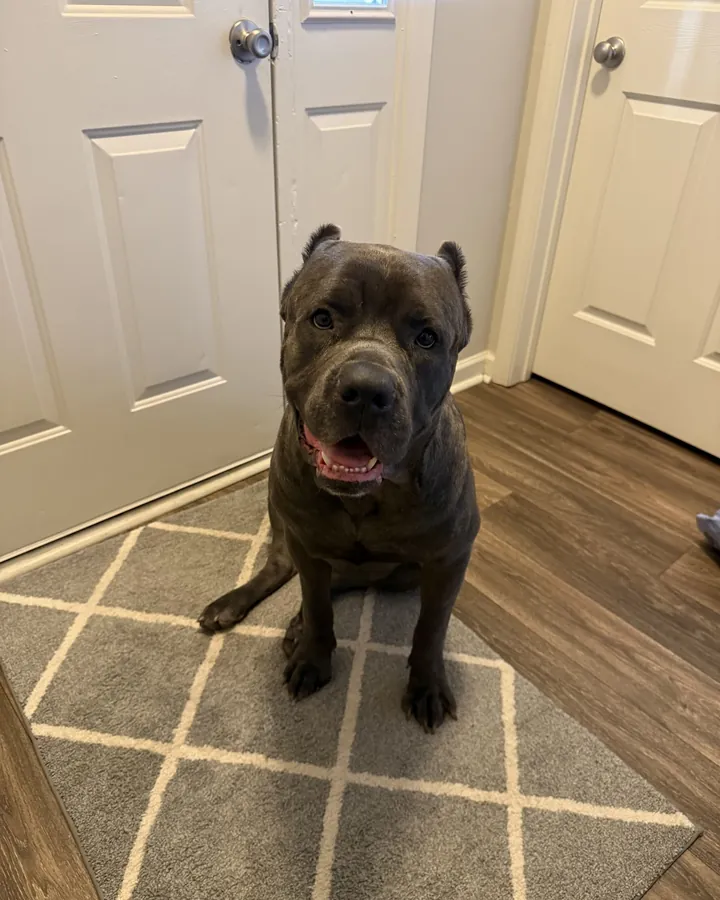
Finn’s family kept him from a litter they fostered “because he was the sweet one.” Over time, walks stopped. His owners describe him pushing at the fence over the neighbours’ dogs and panicking in the car at a drive-through.
When he arrived, staff remember a dog who looked frozen and shut down. He slipped his collar once while being loaded into the truck, and Kelton wrote “flight risk” on the board.
Building trust, one outing at a time.
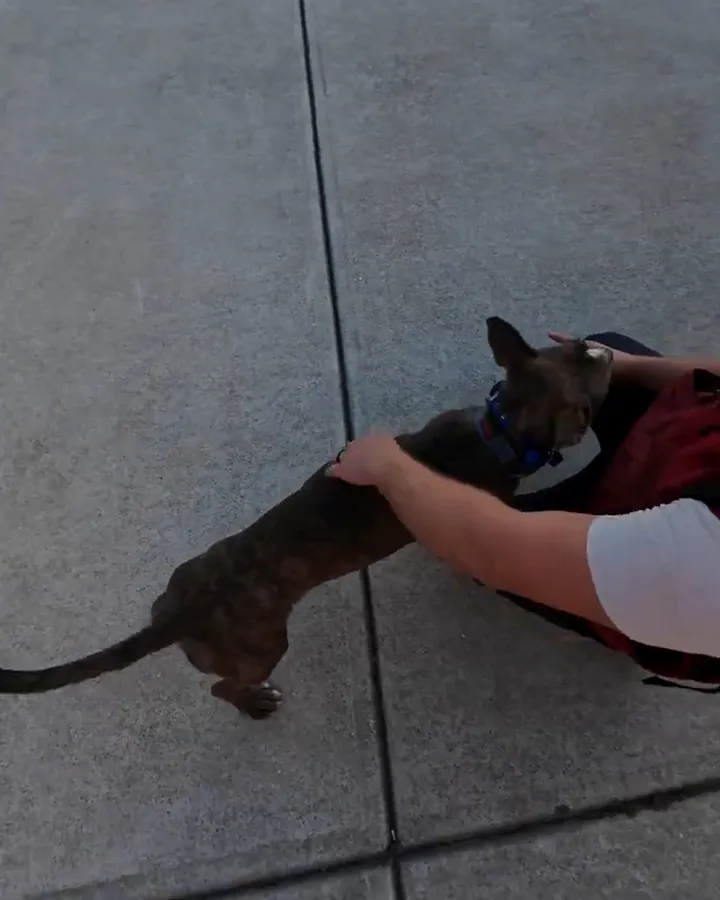
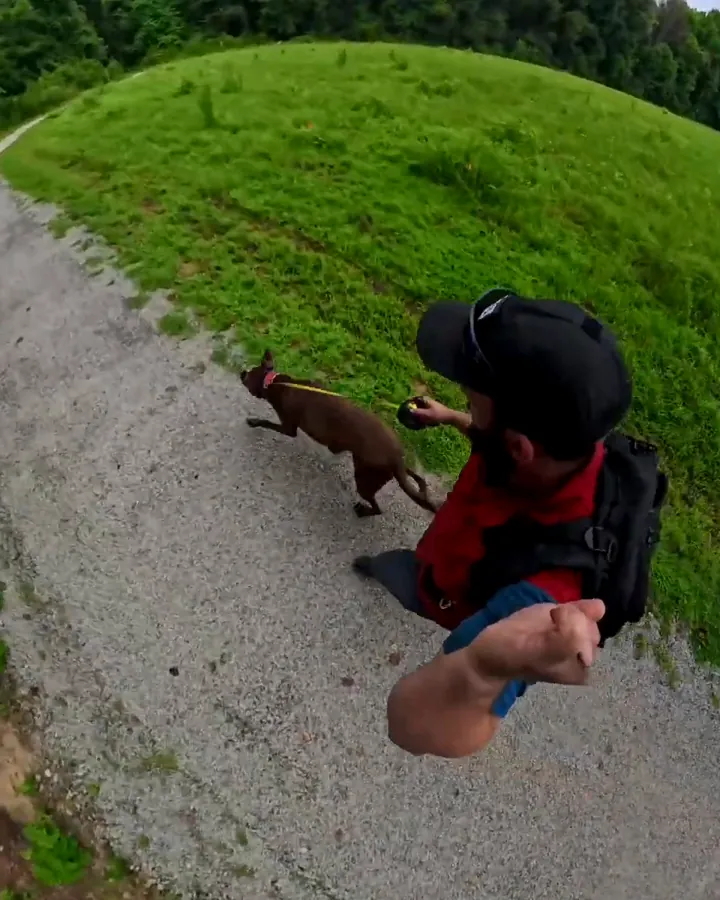
On his first park trip he wears a backup collar, and the plan is spoken out loud: “Finny is a major flight risk. So, he will bolt.” The goal is trust and comfort first, then better responses to pressure.
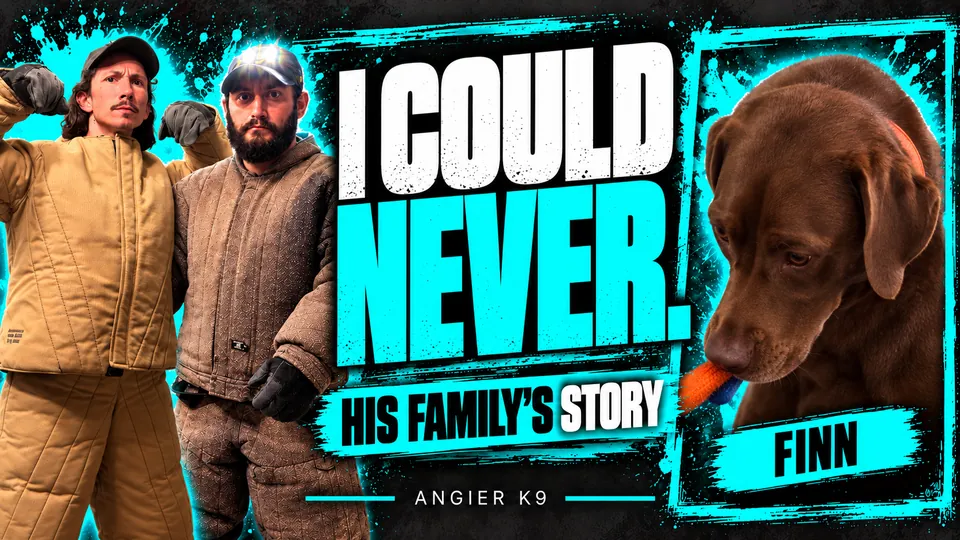
Before long he was working in busy public places, including inside a home-improvement store. When his family watched that footage, the owner’s reaction became the title of Finn’s film: “I could never.”
Calm before polish.
Kelton took Finn on as a personal project. The breakthrough was running: a clear cue, then an instant “okay” and a sprint as the reward, then a walk back to calm.
At the first owner lesson he gave the family a real choice: tighter obedience with the panic still there, or looser obedience with the panic gone. “I’d pick the second one all day,” the owner said. The target Kelton set: a dog who can stop, think and come back to a safe place with his person.
Coming back for safety.
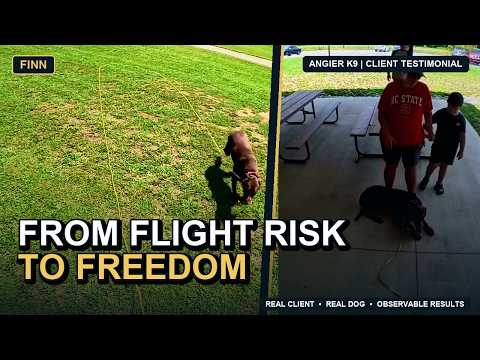
On a 50-foot line Finn refuses a recall, freezes, bolts, then complies, and Kelton waits for him to settle before trying again. Later he greets a stranger in public for the first time.
Then comes his first off-leash session: “He’s not bolting. He’s coming back to me for safety.”
At home the family builds the same freedom step by step, starting on a long line, exactly as Kelton showed them.
Applause for the owner.
Kelton gave Finn four or five extra sessions at no additional cost because he could see how far Finn could go. At the go-home lesson he describes a dog who is “much more opened up,” able to see dogs and people “and not think that something terrible is waiting.”
Then the moment the program was built for. “This is our first walk,” the owner says. The retractable lead is left unlocked. Another dog passes. Finn does nothing. Kelton applauds, and makes clear it is for the owner: “You let him make a choice.”
Walks and hikes with the kids.
At go-home the family talked about the next chapter: “We’ve been going on walks and hikes with the kids and I was like we could probably bring Finn with us.” Kelton’s homework was specific: recall above everything, practised on a long line, because “you’re not me.”