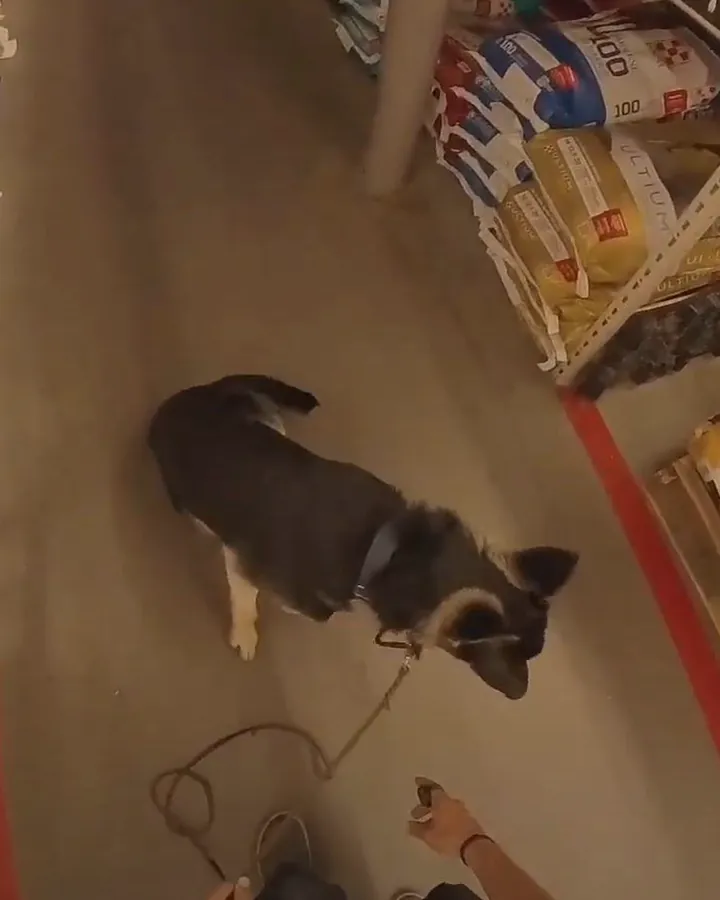
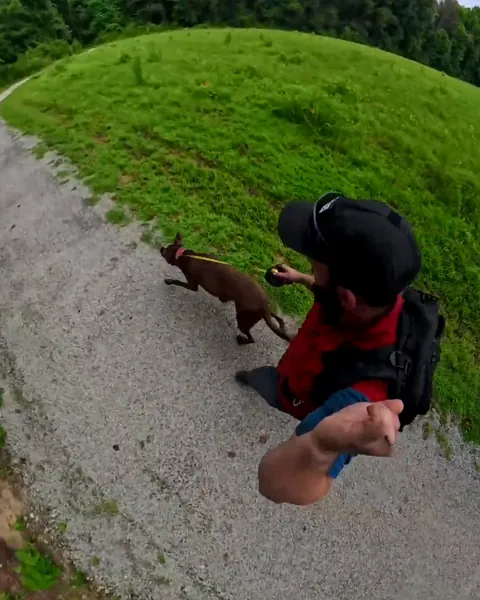
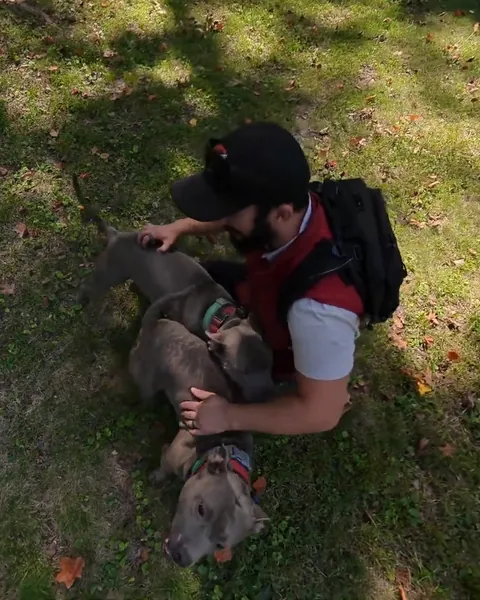
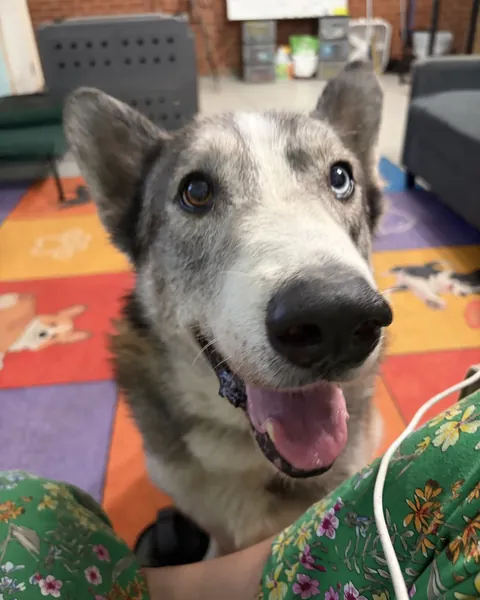
Individual Board & Train foundations, task goals, public manners, and handler education for suitable dogs. Play-Based learning and real-life walks help us build a working partnership around your dog’s strengths.
Public mannersCalm settling, polite walking, focus and neutrality.
Format
Board & Train: your dog stays and trains with our team
Starts with
Temperament, confidence, stability and training history
Who leads
Christian Scharphorn guides the service dog program
Owner lessons
Two lessons: an in-program lesson around 2½ weeks and the Go-Home lesson
First step
A free in-person consultation, about 1 hour
The right work starts with the right fit
Built around your dog’s strengths.
An honest evaluation.
We begin with your goals and your dog’s temperament, confidence, stability, and training history. Service work places specific demands on a dog; evaluation helps determine whether this path is appropriate and what skills to prioritize.
Find the joy in learning.
Play is central to how we train. Chase & Catch, Possession Games, Flirt Pole, Personal Play, and other games help us discover what your dog loves and bring that motivation into the lesson.
Let the walk become the lesson.
Foundations come first, followed by practice around appropriate distractions and environments: calm settling, polite walking, focus, and neutrality.
What we build
Useful skills. Real situations.
The program develops practical communication alongside the skills your dog needs.
01Sit
02Down
03Place
04Stay
05Recall
06Heel
07Let’s Go
08Out
Verbal markersOk!Ah-Ah!
Reliable obedience and handler engagement
Calm settling and distraction work
Public manners in appropriate environments
Task foundations matched to individual needs
Owner lessons and continued maintenance
Additional commands and skills are sometimes taught, depending on the needs of the case. We shape the practice, priorities, and pace around your individual dog.
Owner education
A dog who works with you.
The handler is central to the training. We teach the communication, practice, and management behind the skills so you understand how to maintain the work in daily life.
These are approximate milestones. We coordinate lesson dates with you during the program.
01
In-program lesson Around 2½ weeks
Your hands-on owner lesson takes place while your dog is still in training.
02
Go-Home lesson The day your dog comes home
Your Go-Home lesson connects the training to the routines and practice you’ll continue at home.
03
Dog Training 101 Lifetime access
Full access to our comprehensive online Skool program and the Angier K9 Skool community, for life.
04
A line that stays open After Go-Home day
When something stops working at home, you call or text, and it’s answered by a trainer. There’s no end date on that.
The foundation, on film
Public manners start here.
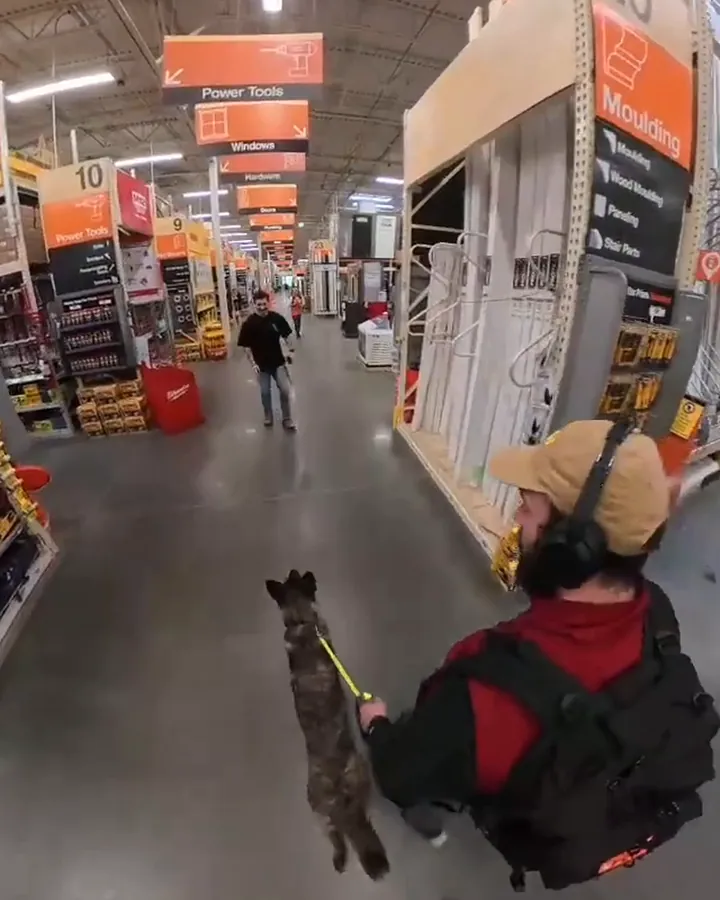
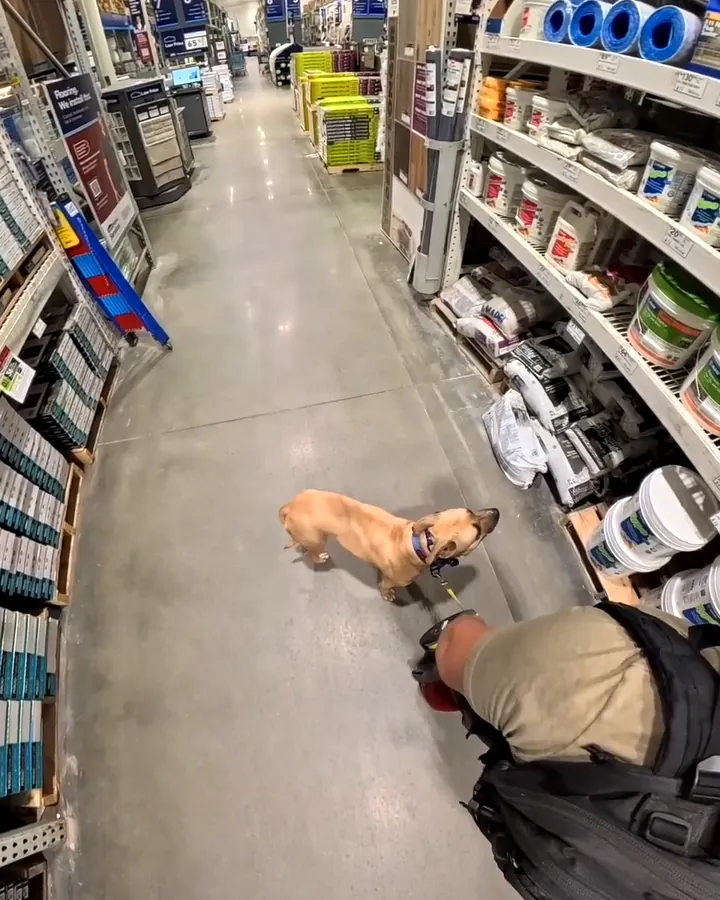
Service work builds on reliable obedience, calm settling and manners in public. These families’ stories show that everyday foundation on film.
Your Board & Train includes two owner lessons, recorded training to revisit, lifetime access to Dog Training 101 online, and free ongoing support with no end date.
Suitability comes first. Temperament, environmental sensitivity, confidence, behavior history, and ability to work reliably all affect it, so evaluation comes before a training recommendation.
What kinds of task work are considered?
Task goals are individual. Existing program areas include retrieval foundations, positioning, guiding toward an exit, and other specific support behaviors discussed during assessment. The team will be clear about what is realistic for the dog and within the training plan.
How are public manners developed?
Foundations come first, followed by practice around appropriate distractions and environments. Work includes calm settling, polite walking, focus, and neutrality.
Who leads this program?
Christian Scharphorn guides the service dog program. Handler education and continued practice are part of developing the working partnership.
What does service dog training cost?
Every program is planned around the dog in front of us, so the investment depends on your dog: their needs, your goals and the length of the program. At your free, in-person consultation we recommend a plan and walk you through the cost for your dog before anything is decided. Monthly payment options are available.
Your next chapter starts here
Start with a conversation.
Tell us about your dog, your daily life, and what you want to change. We’ll help you understand the next step.