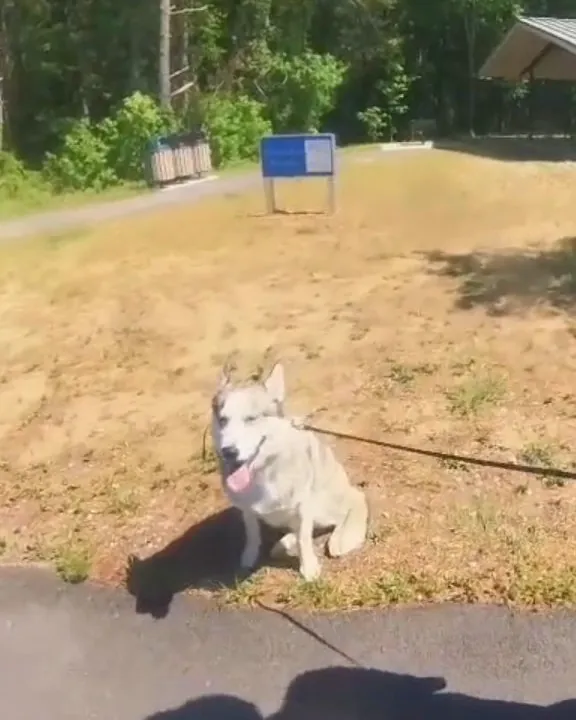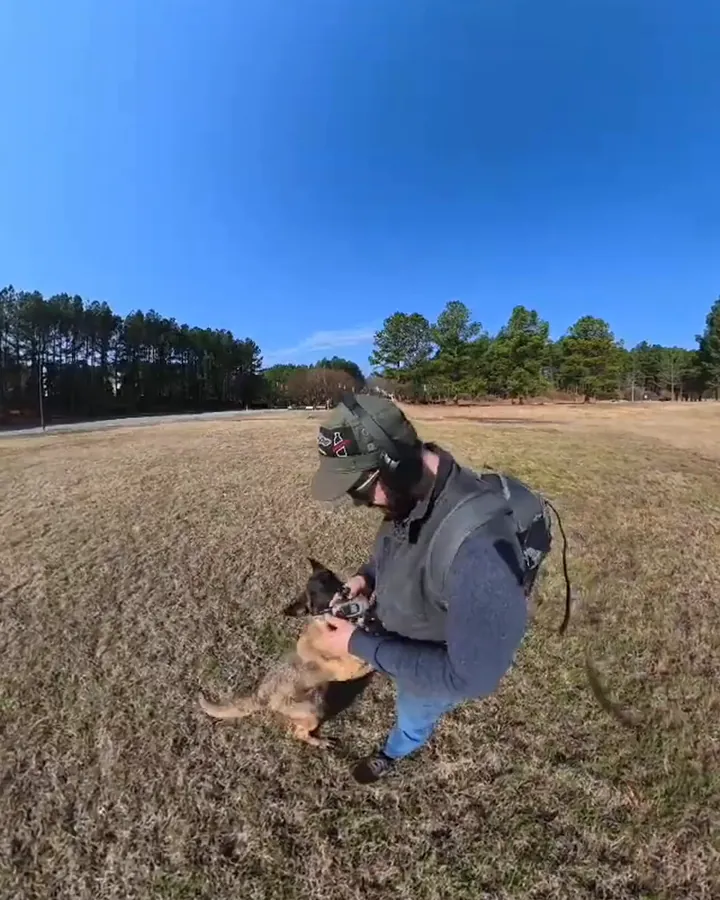

A gentle giant who pulled.
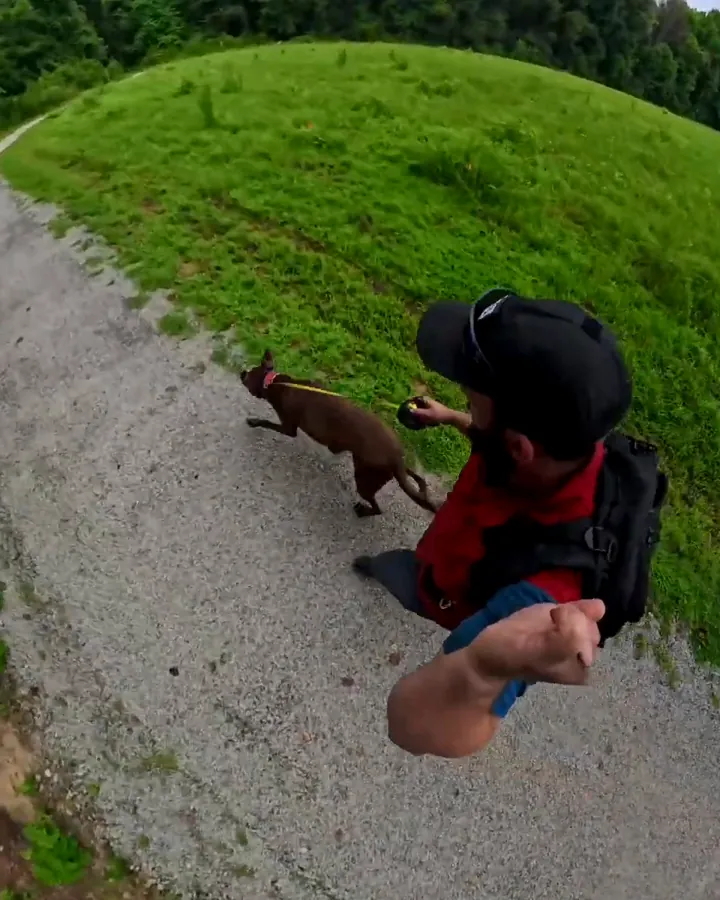
At home, Marvin was already the family dog. “He’s such a good family dog,” his owner says, “fabulous with our daughter.” Walks were the problem: with a prong collar, “he didn’t care,” and he still pulled.
His owner walks him during the day, so the family’s list was practical: good leash manners, calmer and more focused walks, and a dog who comes back. “I need him to come back.” Their biggest worry was the training itself: “Gosh, I hope we don’t get back and he’s just like this army dog.”
Read the dog first.
Kelton starts every program by reading the dog. Marvin is “really sensitive” to pressure from people, and when he stalled on a recall, Kelton saw an unsure dog, not a stubborn one: “He doesn’t need pressure there. He needs reassurance.”
The leash was a different problem: Marvin would freeze, or plant and pull. Kelton taught him how to answer leash pressure, with trust and fun in place first: “we had cooperation and fulfillment together first, and then I introduced authority.” By go-home, a light touch was enough: “I can just do a little.”
Back to the ducks.
Marvin’s rewards came from the world around him, not a treat pouch. Kelton let him walk the tree lines and go right up to the ducks, then called him away and sent him back: “Okay, go, now you can go look at the ducks.”
“He knows that we’re not putting a stop to his fun,” Kelton says. “We’re increasing his fun.” Wrestling, tug and ball do the same job: “You have lots of ways to motivate him.”
Kelton’s rule for walks: let Marvin explore, call him away, then send him back. Coming back never ends the fun.
The same words, anywhere.
The training travelled. On a night out in Cary, Marvin went down, sat and came when called outside a restaurant.
At go-home, Kelton called him away from a fence with a dog behind it, “one of his things.” He came: “I had to say nope once, but I didn’t have to reinforce with anything.”
His owner takes the lead.
The go-home lesson began with a joyful reunion in the park, and Kelton let it happen: “Why try to control that?” He walked the family through the plan: plenty of freedom on a long leash, heel only when it matters, and the word before any tool.
Then his owner took over: a down, a walk away while Marvin held it, a release on “break,” and a recall. “That looks good,” Kelton said.
Kelton’s plan for home: more freedom than feels natural, heel only when it matters, “nope” before any tool, and a video, not a description, if anything comes up.
Still the family dog.
The family’s verdict came in their own words. “He’s a family dog, so thank you,” his owner told Kelton. “And he’s clearly still a happy boy.”
Kelton called their worry “a rational fear,” because “that happens a lot”: some dogs come home with “a different personality.” His name for that is “generalized suppression”: “you can make it look like the dog’s trained because they’re suppressed.” Marvin came home trained, and still himself.
Follow-up sessions in the park are open to the family whenever they want one.