“He drags us.”
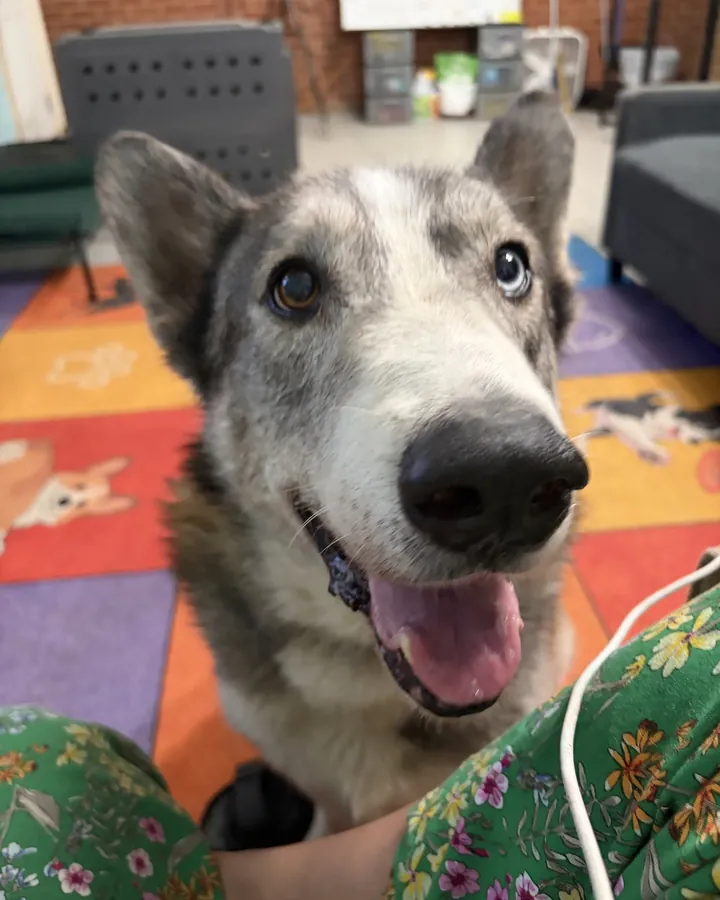
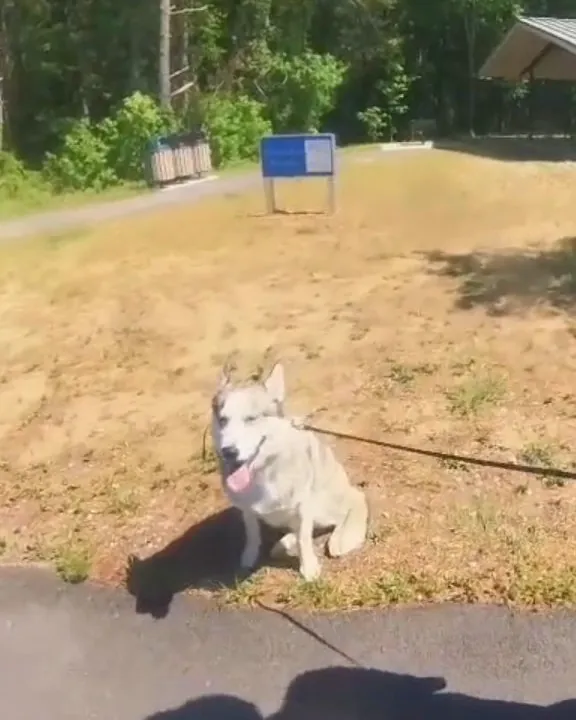
Shadow is a “really lovey” Siberian Husky, and his trainer summed up his big problem in three words: “he’s too friendly.” On walks, his owners said, “he drags us when he sees new people,” and other dogs pulled him the same way.
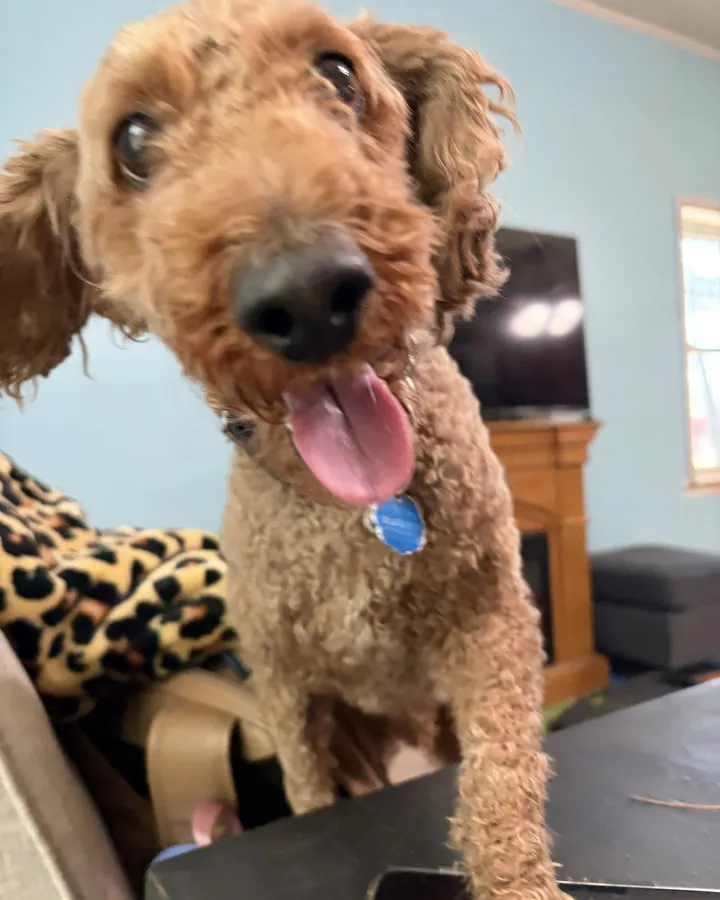
At home he had chewed through furniture, including “my entire office chair.” At the consult in the family’s home, Christian found him “jumping all over the living room.”
At his pace.
Shadow missed his family at first. “He was really sad for like the first three days,” his trainer told them, “but he’s been doing really good.”
When an early sit session stalled, his trainer stopped himself on camera (“I’m going way too hard”) and turned it into a walk and some fun instead: “I don’t want to drill you.” He gets hot fast, so sessions came in short pieces too: “I don’t want to be that… evil dog trainer.”
Stop, and look back.
The fix for the dragging was leash pressure. His trainer taught Shadow that a tightening flat collar means stop and check in: “whenever he feels the flat collar get tight, you’ll notice he’ll look at me,” and “no matter what the length is, once he feels it hit pressure, he’ll stop.”
For people and dogs the answer was “let’s go,” a cue to walk his trainer’s way, given at every sighting until moving on became automatic. “When you fix that problem,” his trainer said, “the dog can kind of just be like whatever, it’s a dog, and just keep chilling out.”
“He’s doing great.”
At the first owner lesson his family saw the new skills: recall, “let’s go,” a heel with changes of pace, and a sit he holds until “okay.” When a recall slipped in front of them, his trainer turned it into the lesson: “this is a great example right here.”
His owners also noticed something new: Shadow sat and settled with dogs nearby, only the second time they had seen it. His owner’s verdict: “he’s doing great. I’ve seen, you are a great trainer.”
Still himself, just more controlled.
At the second lesson Shadow’s owner took the leash: a sit, a release with “okay,” then “rub on him and love on him, let him know he did a good job.” When a passing dog caught Shadow’s eye, the answer was a calm “let’s go,” not a correction.
His trainer was proudest of what had not changed: “I think he’s still as entertaining as when I first met him. He’s just a lot more controlled now.” And the pulling, “the big one,” was gone: “he’s not doing that anymore at all.”
The plan for home: be very strict with every command at first, keep “let’s go” for people, dogs and grass, and always release with “okay.”