“Over our heads.”
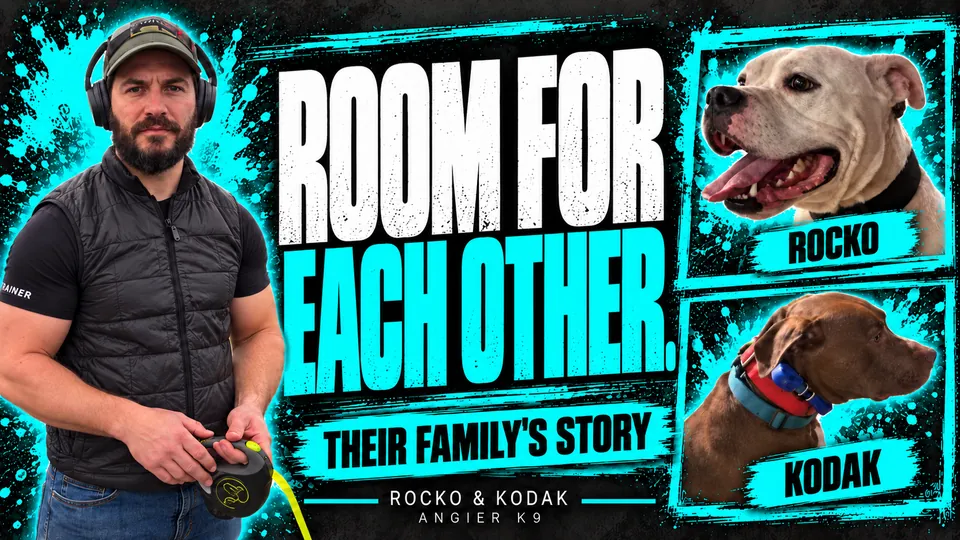
Rocko squealed at any dog he saw, even from the car, and pulled so hard on walks that his owner had to brace “like a sled.” Kodak panicked under pressure. The two had never really shared a room.
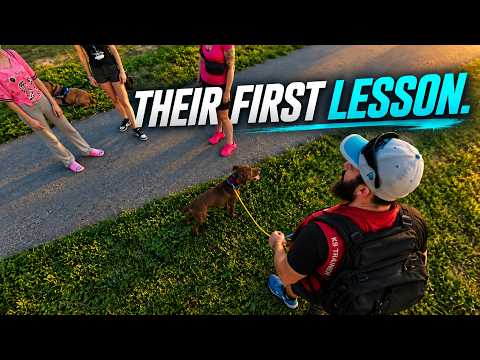
The family had watched it build and was afraid of making it worse. “It’s over our heads and we have no idea what we’re doing,” a family member said at the first lesson.
One game for each dog.
Kelton worked each dog on his own terms. Rocko came alive for tug: “I think I can get more out of him with tug than I can with ball or with the flirt pole.” Kodak started with a long, easy walk that asked nothing of him, then learned inside a game of fetch.
Kodak “doesn’t normally tolerate pressure that well,” Kelton said, but he “can suddenly learn from pressure if it’s part of the game.” Through play, Kodak went from no knowledge of down to a down on the word alone in about 15 minutes.
“Impressed with that alone.”
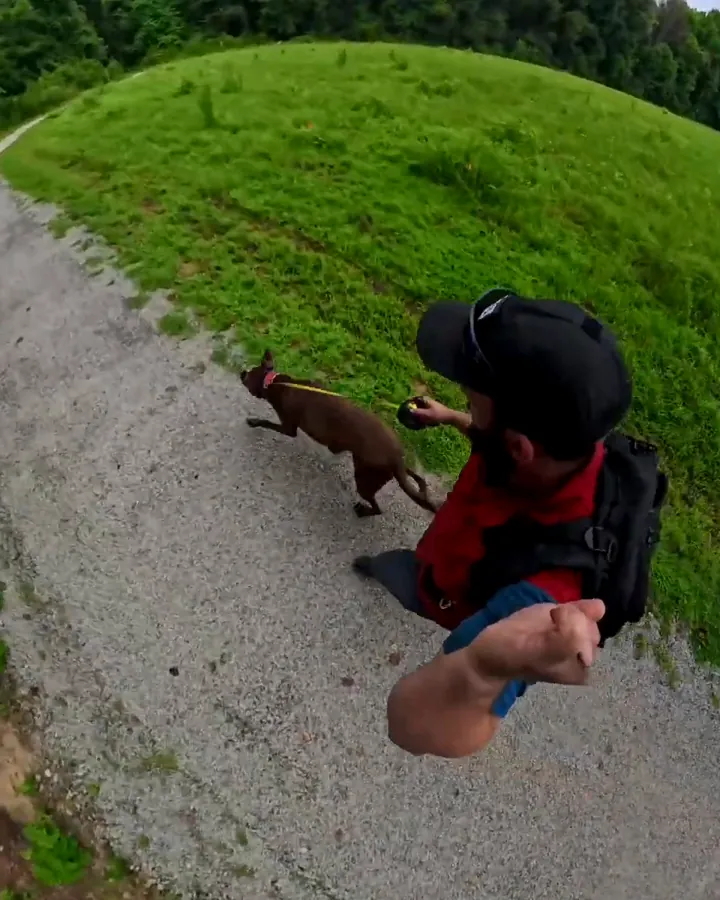
On the trail, a small dog came into view. Rocko looked, then moved on. “I was really impressed with that alone,” a family member said; “usually we would have got the squeal and everything.”
Kodak had news too: the dog who never brought the ball back “does now,” and he lay down on cue with no ball in sight. “I’m just so excited with the progress already,” the family said.
“I’m speechless.”
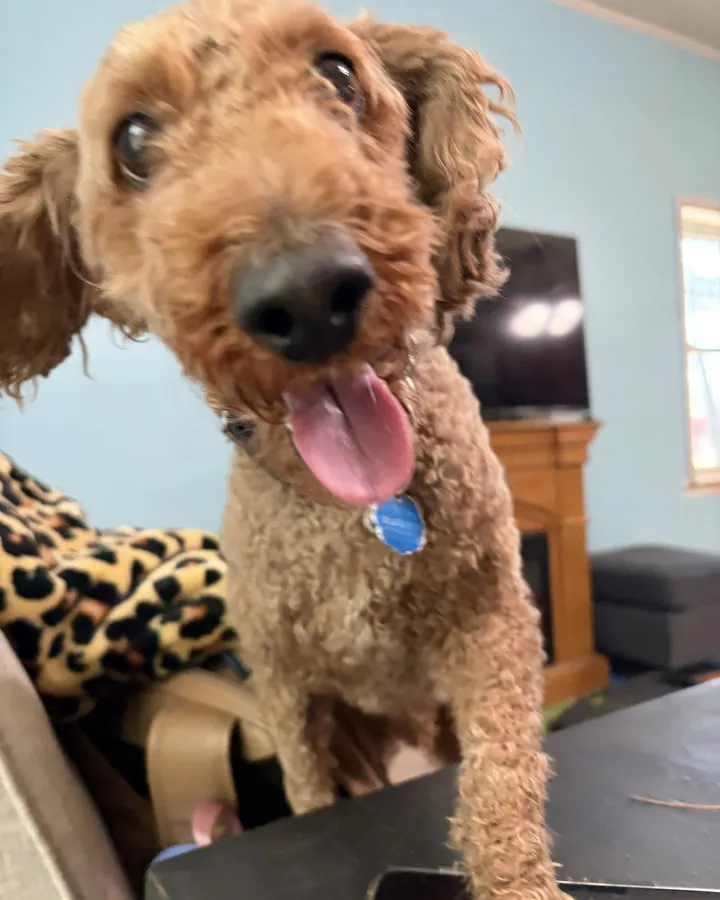
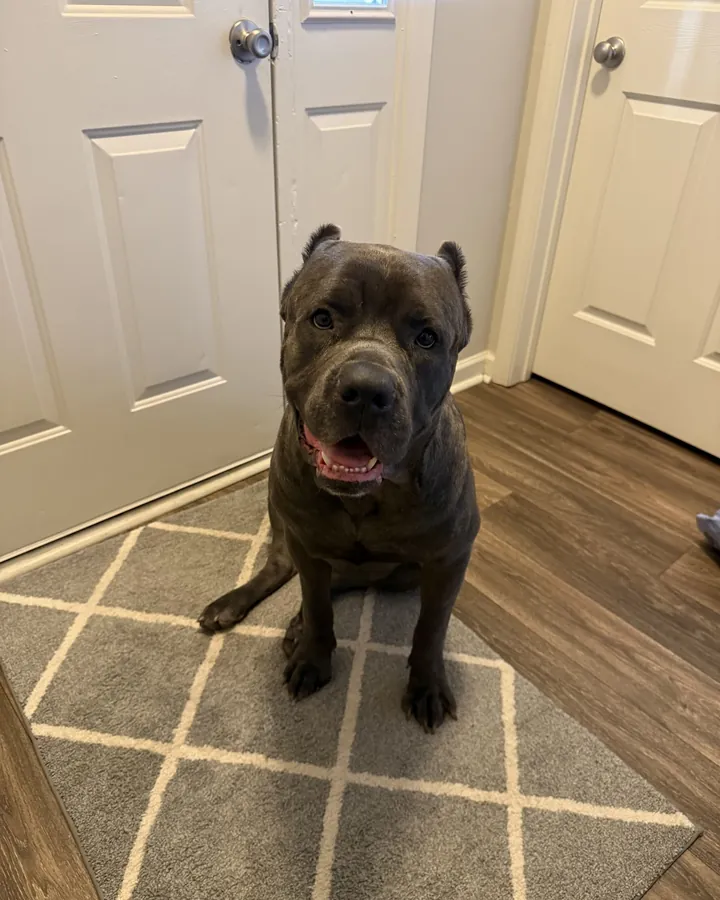
At the second lesson, at home, all three of the family’s dogs shared a room for the first time, with their older dog, Toby, and Kodak in crates while Kelton worked Rocko around them. Remembering how Rocko used to squeal at every dog from the car, a family member said: “I’m speechless. This is… this is way better.”
Later in the visit the two dogs went “full nose to nose.” “They did so good,” the family said. “I’m so happy.”
“No redirecting needed.”
On go-home day Kelton tested the pair once more in the yard: “Rocko is actually leaving Kodak completely alone.” At the family’s home the homecoming was hectic, with all three dogs loose. “I’m actually glad all that happened,” Kelton said, and he coached the family on early warning signs and an early “uh-uh.”
Then he stepped outside and left the family with the dogs. When he came back, the owner told him Kodak had sniffed Rocko a few times, then jumped onto her lap with Rocko right beside her: “And he did lean into me harder, but also was able to just walk it off. So no redirecting needed.”
Kelton’s plan for home: supervised time together, an early “uh-uh” at the first sign of tension, and a message to him right away with any question.
“My Good Boys.”
After the dogs went home, their owner kept the team posted. “They’ve each found their favorite spot in the house,” she wrote, and walking Rocko in heel “is so much fun.”
One message read: “Rocko gave him a kiss through the cage yesterday. It was so cute!!” And in another: “Thank You for helping My Good Boys learn to LOVE being Good Boys!”